
Why your water smells like rotten eggs, and how to fix it
A rotten egg smell means hydrogen sulfide gas is in your water. Penn State Extension says most people can smell it well below 0.5 mg/L. The first question is whether you smell it only in hot water (usually the water heater) or in hot and cold (usually the well or plumbing). The fix depends on which.
Not sure what you need? Get your free water report in seconds →
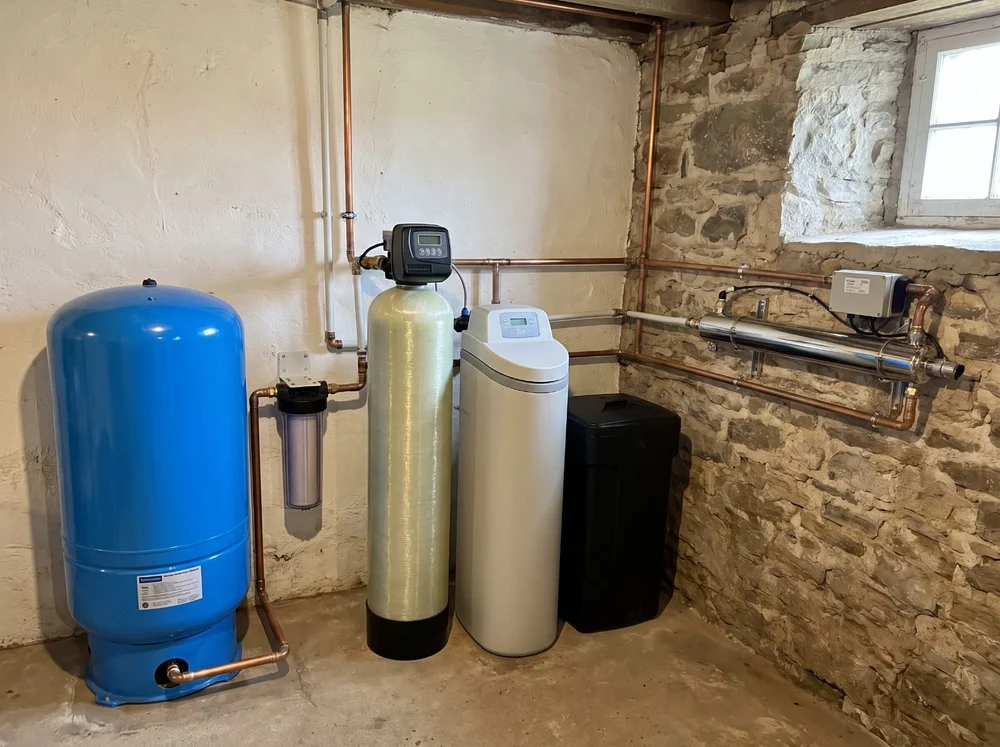
It's probably your water heater
Most tank water heaters have a magnesium anode rod. Penn State Extension says that rod can chemically turn sulfates in the water into hydrogen sulfide. If the smell is noticeable only in hot water, replacing the magnesium rod with an aluminum rod should fix it.
This is a water heater fix, not a water treatment system. Check your heater's warranty before swapping the rod.
It's probably the well or plumbing
If you smell it in cold water too, the gas is likely coming from the water itself. Penn State Extension says it's usually made by sulfur-reducing bacteria in the low-oxygen conditions of wells and plumbing. Problems are most common in wells drilled in shale or sandstone.
This needs a treatment system sized to how much hydrogen sulfide you have.
Sulfur smell treatment options, by level
Penn State Extension matches the treatment to the hydrogen sulfide level. Here is their guidance in short.
| Treatment | When it fits (Penn State Extension) | Notes |
|---|---|---|
| Shock chlorination | Sulfur bacteria in the well | The odor often returns quickly. A first step, not a long-term fix. |
| Activated carbon filter | Below about 1.0 mg/L | Simple and low-cost for light odor. |
| Aeration | Not normally used above about 2 mg/L | Vents the gas out of the water. |
| Oxidizing filter | Up to 2 to 3 mg/L | Often also removes iron and manganese. |
| Continuous chlorination or potassium permanganate, plus filtration | Above 6.0 mg/L | A carbon filter afterward removes leftover chlorine. |
Hydrogen sulfide also corrodes plumbing and can leave yellow or black greasy stains on fixtures, so it's worth fixing even when the smell seems mild.
How Willow Springs fixes sulfur smell
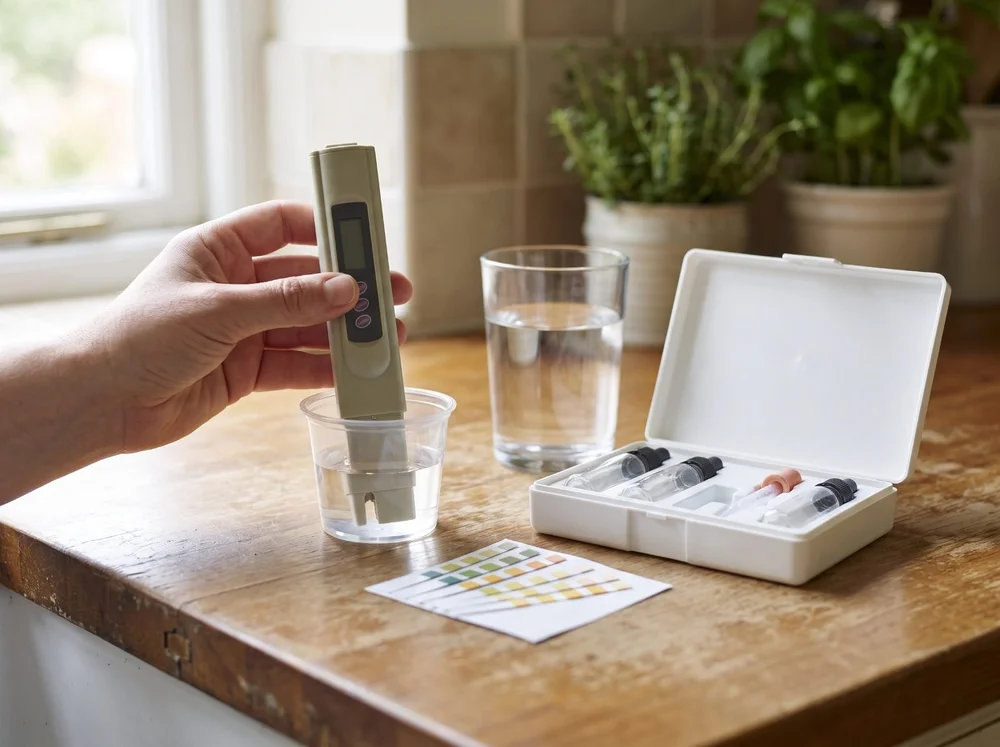
We start by checking whether the smell is hot-only or hot and cold, then test your water for free, including iron, manganese and pH, which often travel with sulfur. Then we recommend the setup that fits, give you a clear price, and install it.
Rotten egg smell: common questions
Why does my water smell like rotten eggs?
The smell is hydrogen sulfide gas. Penn State Extension says most people can smell it well below 0.5 mg/L. It comes either from sulfur-reducing bacteria in the well and plumbing, or from a chemical reaction with the magnesium anode rod in your water heater.
Why does only my hot water smell?
If you notice the smell only in hot water, the water heater is the likely source. Penn State Extension says the heater's magnesium rod can turn sulfates into hydrogen sulfide, and replacing it with an aluminum rod should fix it.
Is rotten egg smell in water dangerous?
Penn State Extension says the sulfur bacteria don't cause human health concerns. Hydrogen sulfide gas is poisonous at high levels, but people smell it long before it reaches harmful levels in a home. It does corrode plumbing and can leave yellow or black greasy stains.
Will shock chlorinating my well fix the smell?
It can help, but Penn State Extension notes the odor often returns quickly. Ongoing problems usually need a treatment system.
What system removes sulfur smell?
It depends on the level. Penn State Extension lists activated carbon below about 1 mg/L, oxidizing filters up to 2 to 3 mg/L, and continuous chlorination or potassium permanganate with filtration above 6 mg/L. A test tells you which fits.
Written by Sam Beiler, co-founder of Willow Springs Water Company, Sinking Spring, PA. Last updated October 2026.