
Chester Water Authority water quality
Chester Water Authority draws from the Octoraro Reservoir and the Susquehanna River and disinfects with chloramine. Its 2025 report puts hardness at 5 to 9 grains per gallon and nitrate as high as 7 ppm. Here is what's in the 2025 report, in plain English, and what it means for your home.
Want numbers for your exact address? Get your free water report in seconds →
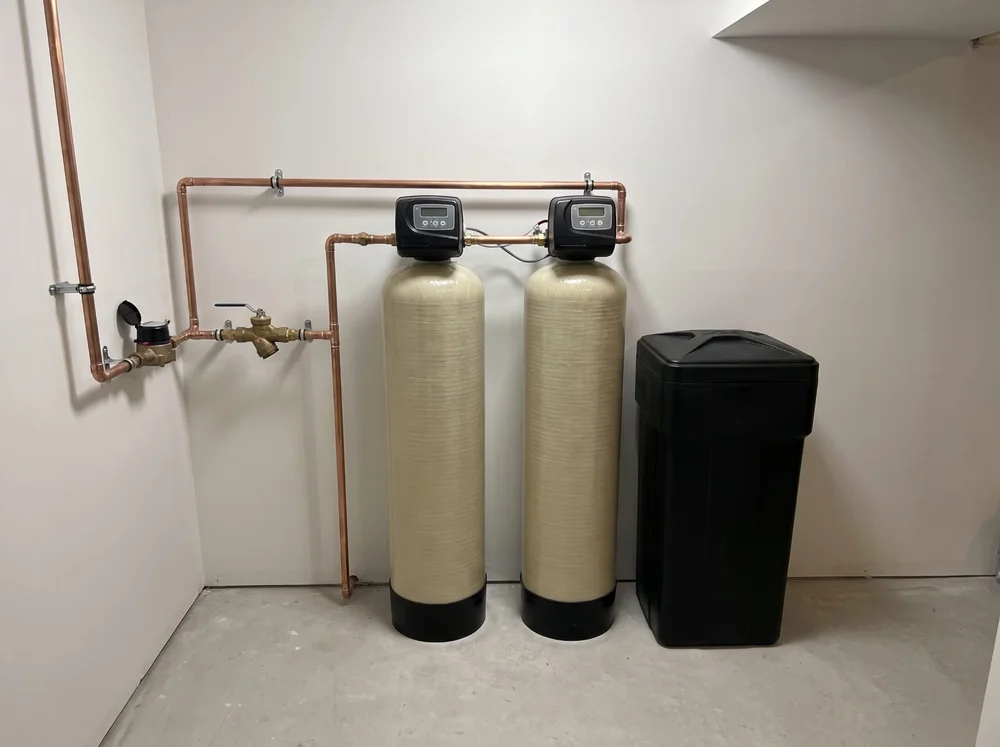
Chester Water Authority water, by the numbers
From the Chester Water Authority, 2025 Water Quality Report, with EPA records where noted.
| 2025 result | |
|---|---|
| Source | Octoraro Reservoir and the Susquehanna River |
| People served | About 140,400 (EPA) |
| Areas served | Southern Chester County, including the Oxford, Kennett, Avondale, Toughkenamon, Lincoln University and Chadds Ford areas |
| Disinfectant | Chloramine, 2.3–3.1 ppm in the distribution system |
| Hardness | 90–150 ppm, or 5–9 grains per gallon (moderately hard) |
| PFAS | Not listed in the 2025 report. EPA's UCMR 5 sampling (2024) found PFOA up to 5.1 ppt; PFOS was not detected |
| Nitrate | Up to 7 ppm (range 2–7; limit 10) |
| Lead | 4.8 ppb 90th percentile (EPA records, 2025; action level 15) |
| Trihalomethanes | 51 ppb running average; single samples 21–81 ppb (limit 80) |
| Haloacetic acids | 42 ppb running average; single samples 19–88 ppb (limit 60) |
What these numbers mean for your home
Chloramine, not chlorine. Chester Water Authority uses chloramine, which lasts longer in the pipes and is harder to filter than chlorine. It takes catalytic carbon and enough contact time, so tell us you're on Chester Water Authority and we'll size the filter for it. Whole-home filtration →
PFAS above the federal level. The highest PFAS result here, 5.1 ppt, is above EPA's federal limit of 4 ppt for PFOA and PFOS. Water systems don't have to meet that limit yet (EPA has proposed 2031). A reverse osmosis system at the kitchen sink reduces PFAS in drinking water. Reverse osmosis →
Moderately hard water. Around 9 grains per gallon is enough to leave spots and slow scale buildup. Some homes soften it, some don't; we test yours free and tell you honestly. Water softeners →
Nitrate worth knowing about. Nitrate reached 7 ppm, under the 10 ppm limit but higher than most systems. It matters most for infants under six months. RO reduces it in drinking water.
Water treatment for Chester Water Authority customers
How it works
Request your instant free quote
Fill out the free quote form or call (610) 400-3132. Tell us your address and that you're on Chester Water Authority water.
We quote you on the spot
You get a clear price for your system right then, starting from a base package at a set price.
A free water test tunes your system
Before we install, we test your actual water for free and tune the system to it, so you only pay for the treatment your water needs.
We install your system
We install it cleanly, show you how it works, and let you know when filters and service are due.
Chester Water Authority water: common questions
Is Chester Water Authority water safe to drink?
Chester Water Authority's 2025 report shows its water met state and federal drinking water standards except where noted in the table above. Meeting the standards doesn't mean nothing is in the water, so many families add filtration for taste, PFAS or hardness.
Does Chester Water Authority use chlorine or chloramine?
Chloramine. Chloramine needs catalytic carbon to filter well.
Is Chester Water Authority water hard?
The report lists 90–150 ppm, or 5–9 grains per gallon (moderately hard).
What about PFAS in Chester Water Authority water?
Not listed in the 2025 report. EPA's UCMR 5 sampling (2024) found PFOA up to 5.1 ppt; PFOS was not detected. Pennsylvania's limits are 14 ppt for PFOA and 18 ppt for PFOS; EPA's federal limit is 4 ppt for each.
Do you install water treatment for Chester Water Authority customers?
Yes. Willow Springs Water Company serves Chester County homes from Sinking Spring. Request an instant free quote or call (610) 400-3132.
Written by Sam Beiler, co-founder of Willow Springs Water Company, Sinking Spring, PA. Last updated November 2026. Willow Springs is not affiliated with Chester Water Authority.